

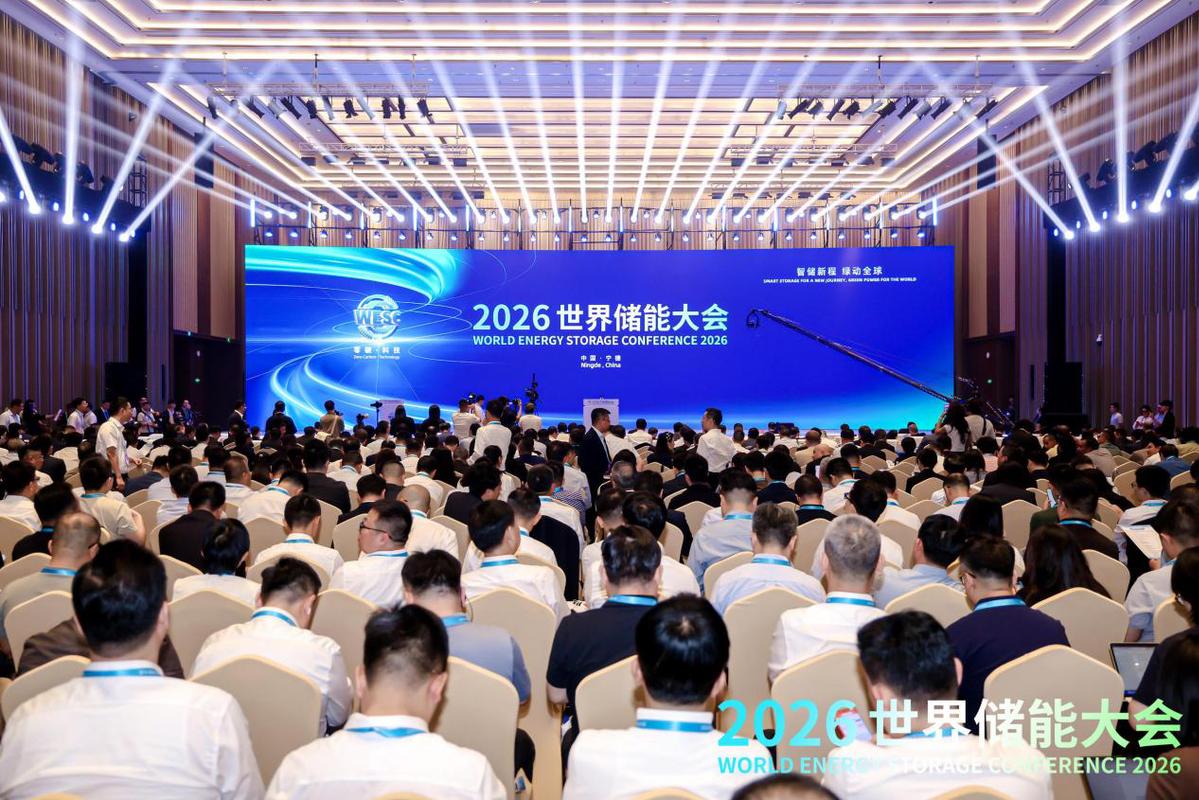
 The 2026 World Energy Storage Conference was held in Ningde, Fujian from October 14 to 16. Co-hosted by multiple national and local industry authorities, this three-day event carried the theme “Smart Storage for a Green Global Future”. It included keynote forums, thematic roundtables, closed-door seminars and a supporting energy storage exhibition. The event showcased sodium-ion batteries, LFP cells, BMS, integrated battery swapping systems, thermal management and battery recycling technologies, acting as a professional platform connecting domestic battery firms with global buyers, especially those from Southeast Asia’s two-wheeler e-mobility sector.
Benefiting from Ningde’s status as China’s core battery hub, the region owns a complete industrial chain covering raw materials, cells, energy storage systems and battery swapping hardware. Domestic demand for energy storage and two-wheeler batteries keeps growing. Overseas markets, especially Indonesia and Southeast Asia, show strong demand for e-motorcycle power packs and swapping cabinets. However, the industry still faces challenges such as battery thermal runaway risks, carbon footprint certification, inconsistent regional safety standards and high operation costs for swapping stations. Global trade rules impose stricter compliance requirements for Chinese battery exporters.
Keynote speeches and onsite reports outlined three key directions for China’s battery industry: R&D of high-safety long-cycle battery materials, large-scale rollout of integrated energy storage & two-wheeler battery swapping systems, and upgrades of intelligent thermal management technologies. Sodium-ion battery solutions for energy storage and e-motorcycle swapping have completed industrial validation, offering a new technical route alongside lithium batteries.
Breakthroughs in Industrialization of Integrated Energy Storage & Battery Swapping Systems
A core highlight of the conference was the discussion and demonstration of integrated energy storage and battery swapping PACK solutions for overseas markets. Early products suffered from poor heat dissipation, low system compatibility and inconvenient remote maintenance. New generation systems combine energy storage units and intelligent swapping terminals with AI thermal management and cloud battery health monitoring. These systems can realize peak shaving for distributed energy storage and provide fast swap services for electric motorcycles. Optimized for high-temperature tropical environments, they help overseas operators cut station construction costs and improve battery utilization.
The integrated swapping industry is now in rapid commercial expansion. Chinese manufacturers have solved core technical bottlenecks in cell integration, thermal management and BMS coordination. Still, products entering overseas markets need continuous local safety certification and long-term reliability tests to capture more global market share.
Power Battery Recycling: Building a Closed-Loop Industrial Chain
Power battery recycling for energy storage and two-wheelers entered large-scale commercial promotion in 2026. Early recycling projects were limited by varied cell specifications, low recovery efficiency and high processing costs. Today, recycling companies have achieved better balance among recovery rate, environmental compliance and operation expenses.
Leading recyclers finished production line upgrades and technical verification. Many have signed long-term recycling contracts with storage integrators, e-motorcycle OEMs and swap operators, proving the commercial value of closed-loop recycling. Recycled materials can be reused to manufacture new power cells, lowering raw material costs and helping companies meet carbon compliance requirements for export markets. Battery recycling has become an essential part of the storage and swapping ecosystem.
Conclusion
The 2026 World Energy Storage Conference clarified the development roadmap of the energy storage and power battery sector. In the short term, sodium-ion batteries for storage and e-motorcycle swapping will gain market traction due to cost and safety strengths. In the long run, battery recycling will form a full closed-loop industrial chain, supporting sustainable development of lithium and sodium battery applications.
Chinese manufacturers will keep exporting high-performance batteries, integrated swapping equipment and thermal management solutions worldwide, to drive sustainable growth of the global energy storage and two-wheeler mobility
Post time: Oct-20-2026